

Welcome to guashatools.com! We specialize in edged tools for traditional gua sha and instrument assisted soft tissue mobilization. Click on our tool selector below to find your next favorite soft tissue tool!
Tool Selector
- Ships same or next day
- Made in the USA
- Lifetime Guarantee

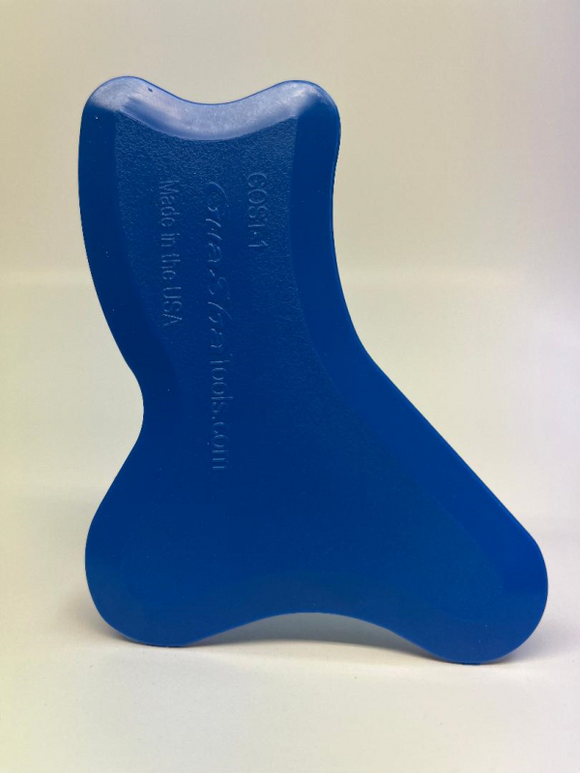


GOST-1

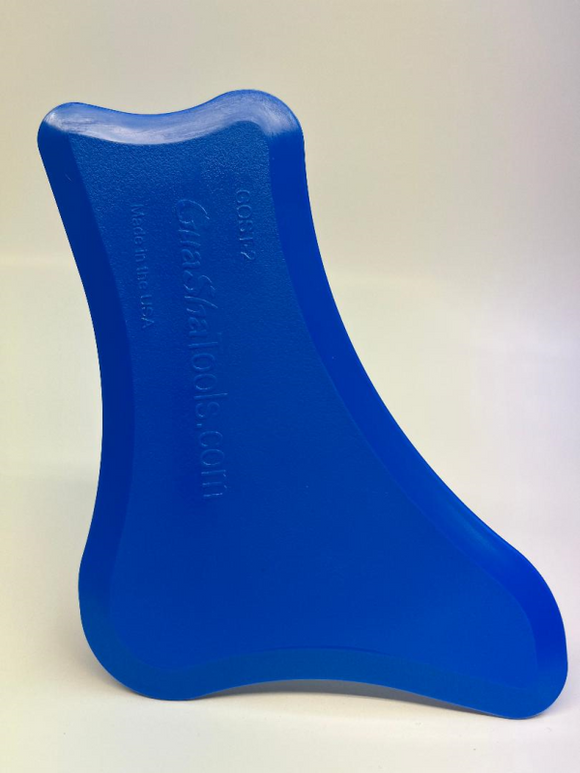


GOST-2

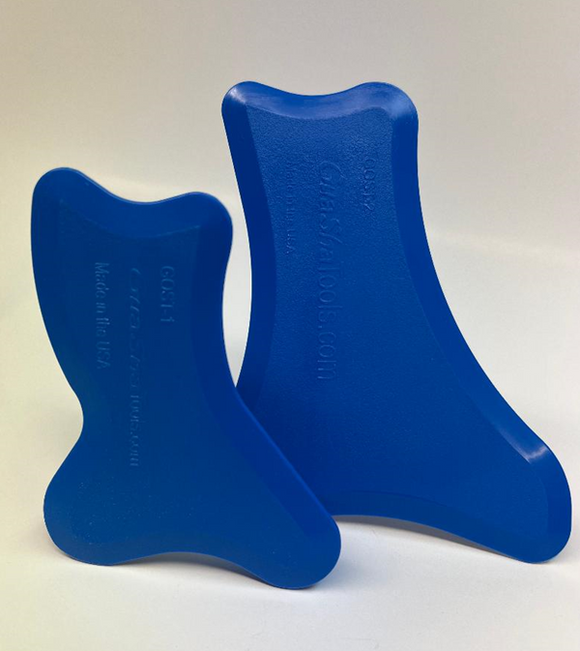


GOST-1 and GOST-2 Set

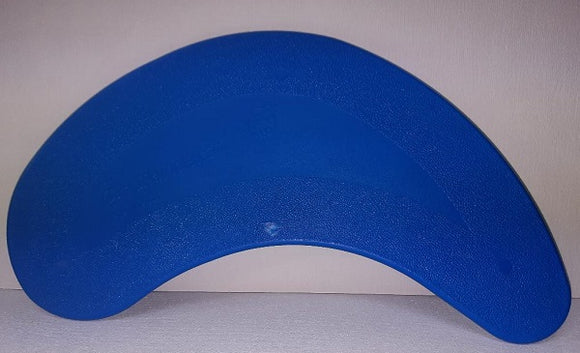


GOST-3

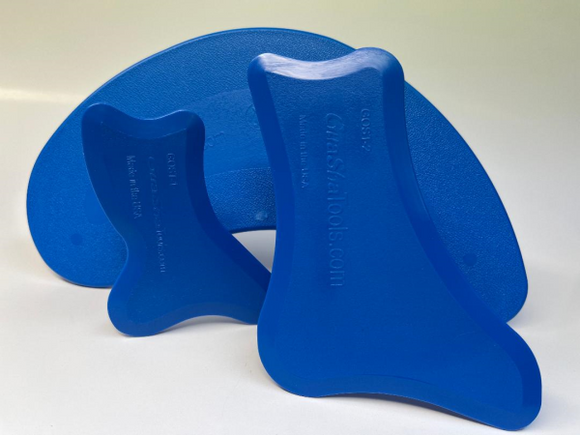


Gua Sha 3 Tool Set

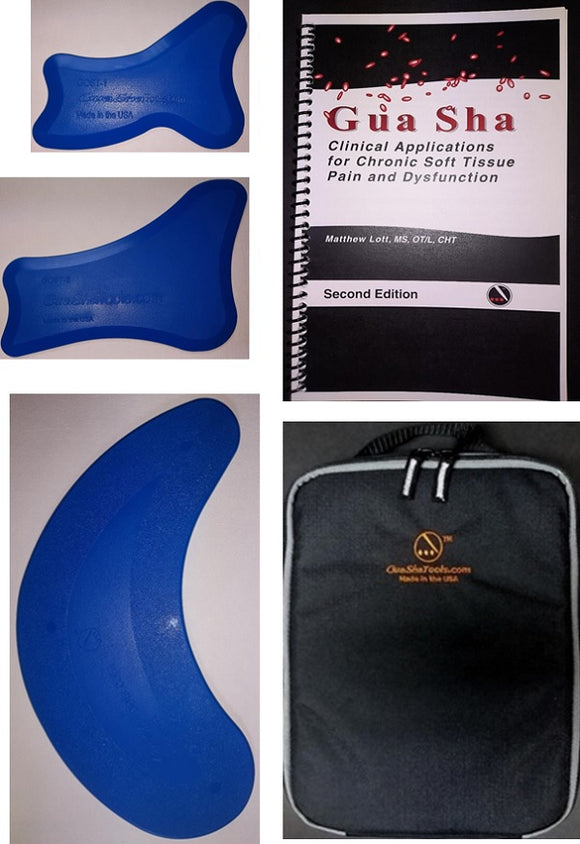


Gua Sha 3 Tools & Manual

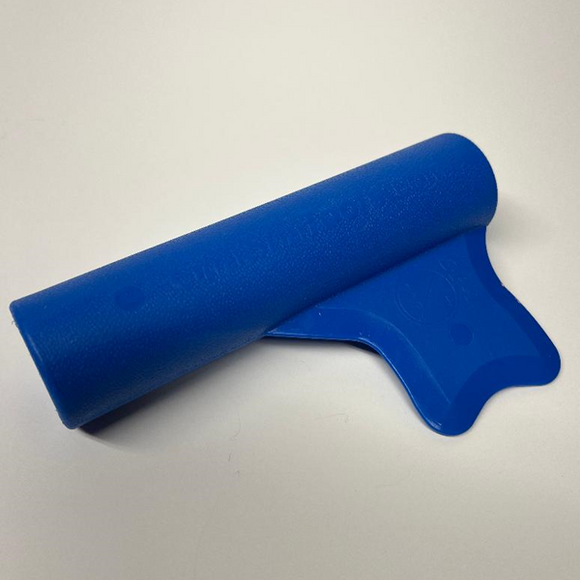


Gua Sha Professional-1

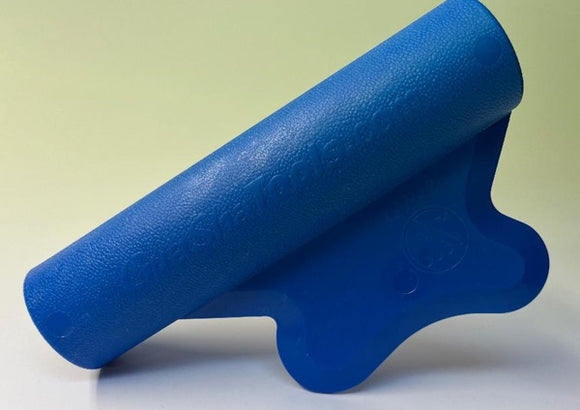


Gua Sha Professional-2

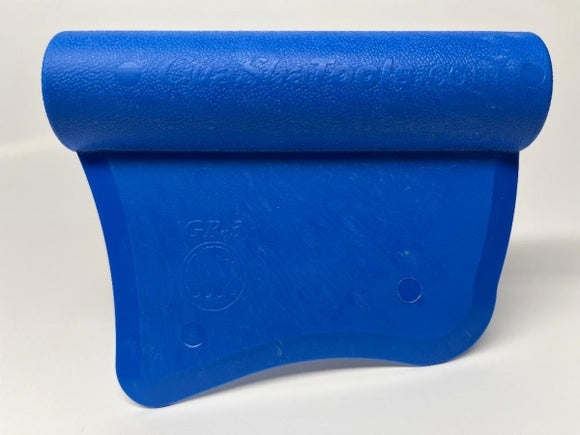


Gua Sha Professional-3

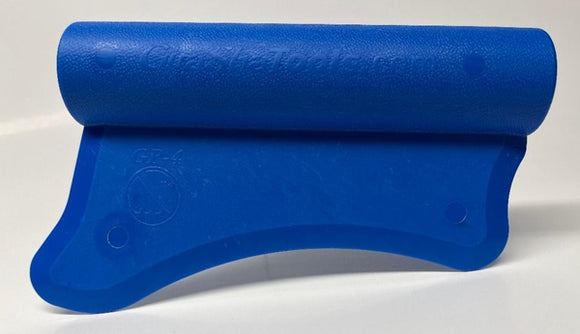


Gua Sha Professional-4

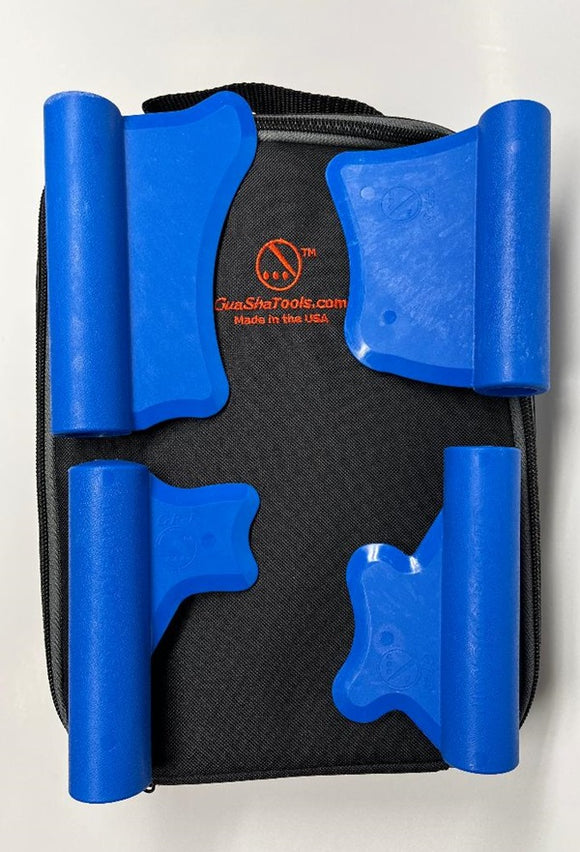


Gua Sha Professional Set

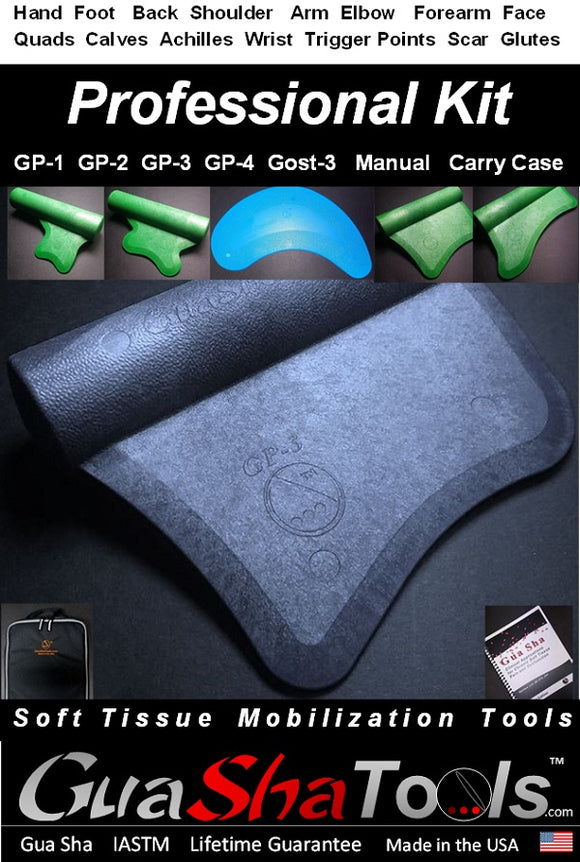


Gua Sha Professional Kit

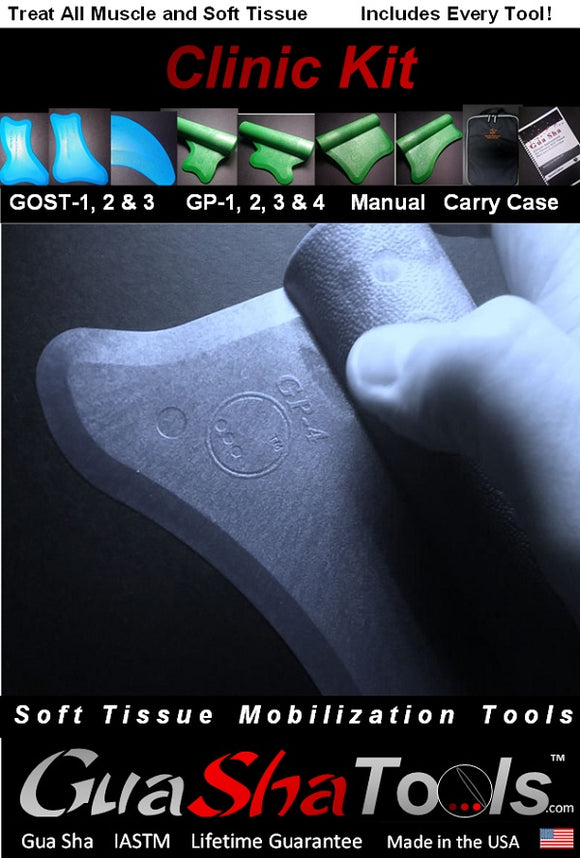


Gua Sha Clinic Kit

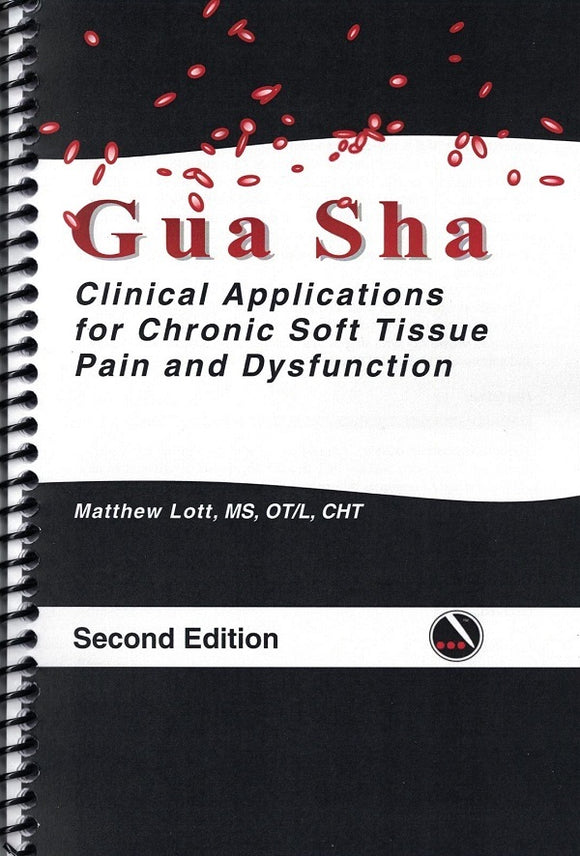


Gua Sha; Clinical Applications for Chronic Soft Tissue Pain and Dysfunction. Second Edition.

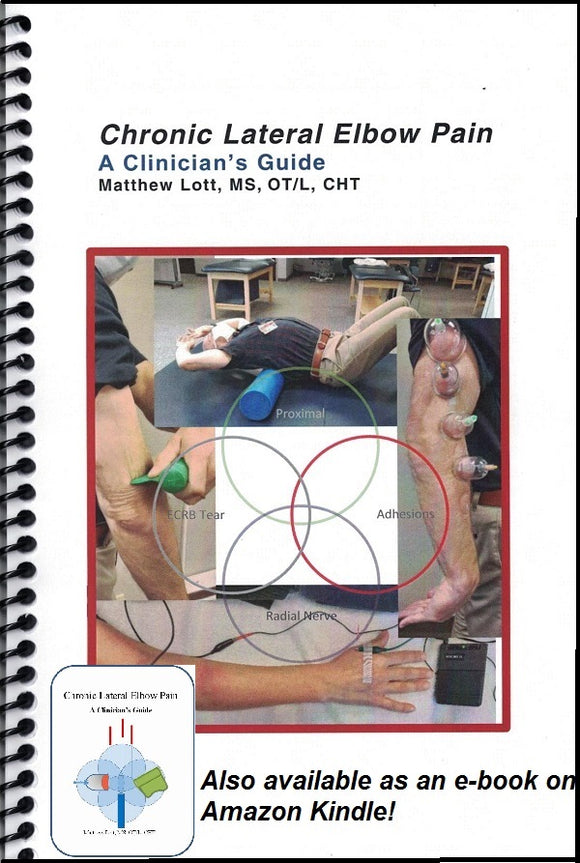
Chronic Lateral Elbow Pain. A Clinician's Guide
gua sha and instrument assisted soft tissue mobilization
The perfect soft tissue mobilization tool does not exist. That is why we provide an array of anatomy specific shapes and edge profiles. At guashatools.com we specialize in edged tools for gua sha and IASTM (instrument assisted soft tissue mobilization). All tools are constructed of unbreakable DuPont™ Zytel® and are compatible with any skin emollient and cleaning solution.
- Safe for multiple clients.
- Free lifetime replacement guarantee if damaged.
- No-hassle returns, love your tools or send them back.
- Products are in stock
- Ships same or next day
- Free shipping on orders over $50. Expect a fast delivery!